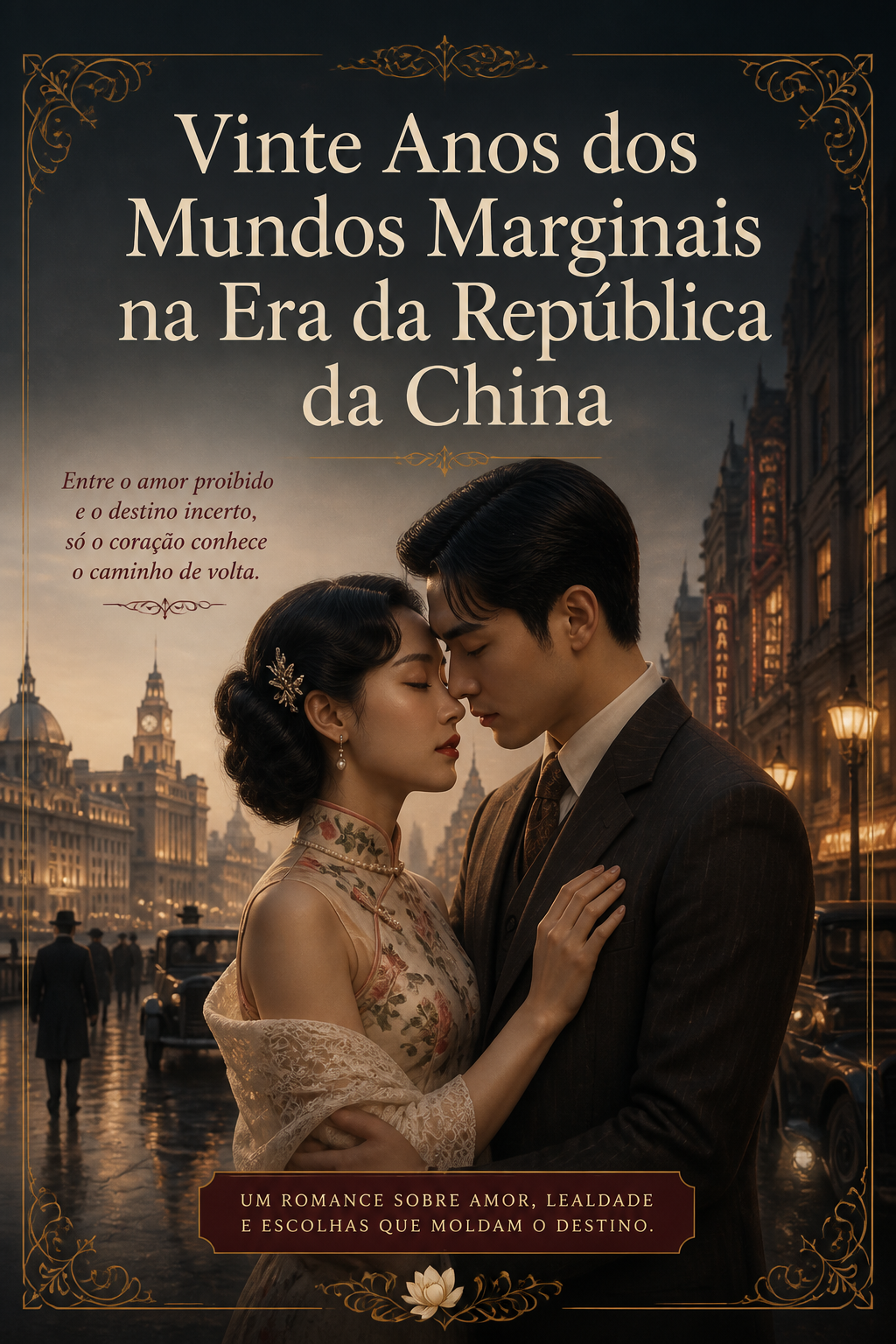
Vinte Anos dos Mundos Marginais na Era da República da China
【Ruas e becos, marginais e bandidos, curiosidades populares】Ao se encontrarem, sempre dizem “foi difícil”, pois é sinal de vida no submundo. No final da dinastia Qing e início da República, o país est
To exchange words of hardship upon meeting—this is surely the way of the underworld.
In the old society, most trades within the rivers and lakes could not stray far from the eight minor occupations: gold assaying, painted placards, leather tricks, troupe performance, and willow acts.
These are the so-called “Eight Open Gates,” also known as the “Minor Eight Trades,” each referring to a distinct profession: fortune-telling, storytelling, magic, acrobatics, folk medicine, comic dialogue, swindling, and drum-song performance.
Though all lived by the ways of the underworld, there were still hierarchies among them.
The upper four considered themselves respectable. Fortune-tellers and storytellers, versed in words and characters, were rightly addressed as “Sir.” Magicians could entertain young and old alike. Troupe performers and acrobats were called “Master”—bodyguards, martial artists, or instructors.
The lower four were less dignified. The leather and willow trades were rife with swindlers; comic performers, peddling their wit on the street, often resorted to crude jests; drum-song singers once echoed tunes from houses of ill-repute, best left unmentioned.
Each of the eight trades had its own secrets, its own livelihood. No one could serve two at once. For example, a comic performer could only recount the “eight sticks”—to speak on other topics would infringe upon the storyteller’s domain, an offense not tolerated in the underworld.
These eight open trades, as the name suggests, could see the light of day—on street corners, at templ